Start with the route, not the products
A paired heat-and-cold space needs a clear journey. Draw the route from where you arrive, to the sauna, to the plunge, to a dry place to sit or change. This small exercise quickly reveals whether the layout supports the experience or asks you to navigate wet surfaces, tight corners and competing doors.
The ideal path is straightforward rather than theatrical. Keep the distance between the sauna and plunge practical for the setting, then leave enough clear room around each item for entering, exiting, cleaning and servicing. A bench, towel rail and non-slip-conscious surface can do more for the daily ritual than another decorative object.
- Map a clear, uncluttered path between sauna, plunge and dry zone.
- Leave room around each product for access, cleaning and servicing.
- Plan for wet feet, towels and a comfortable place to pause.
Choose a pairing that belongs in your space
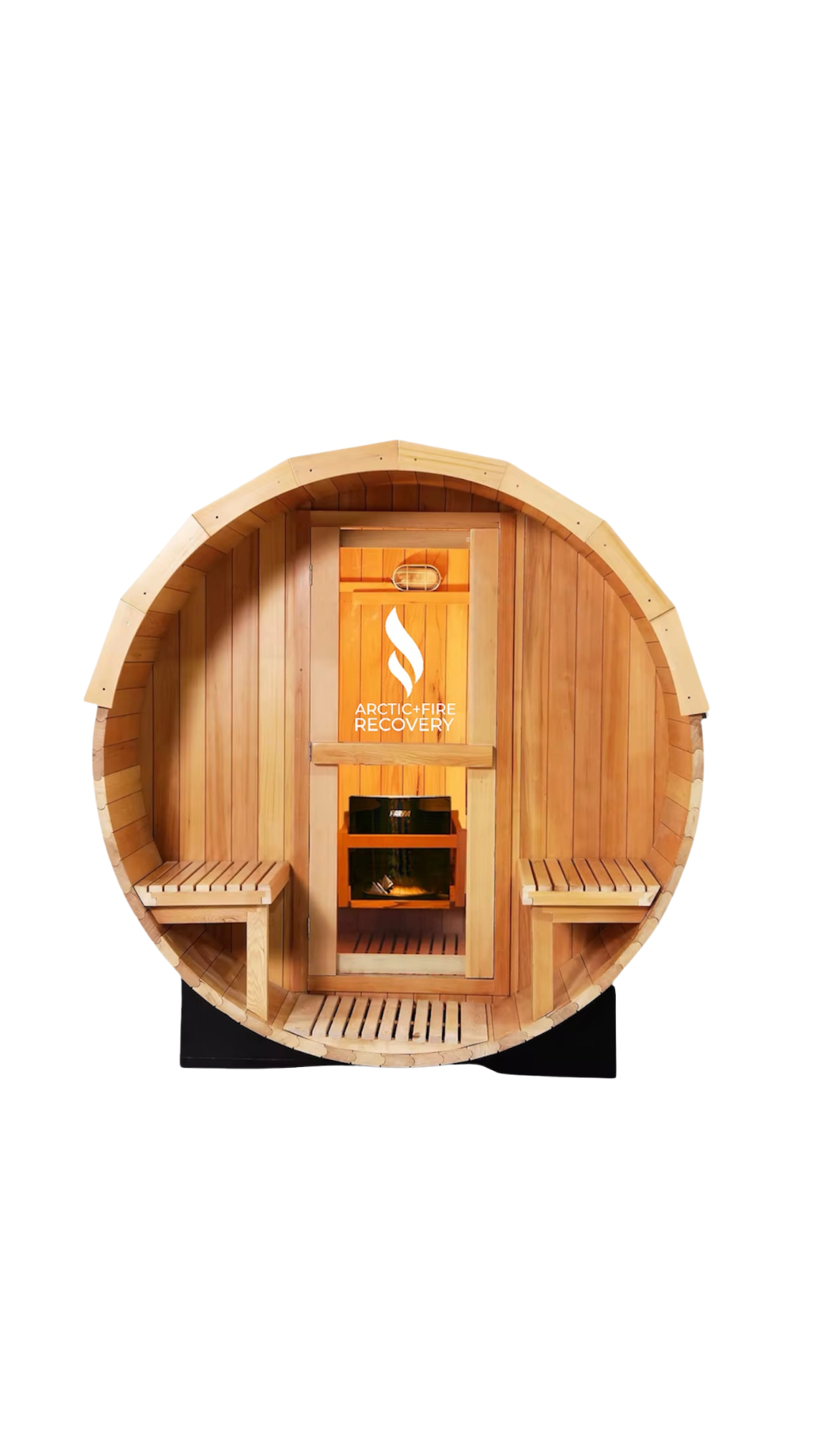
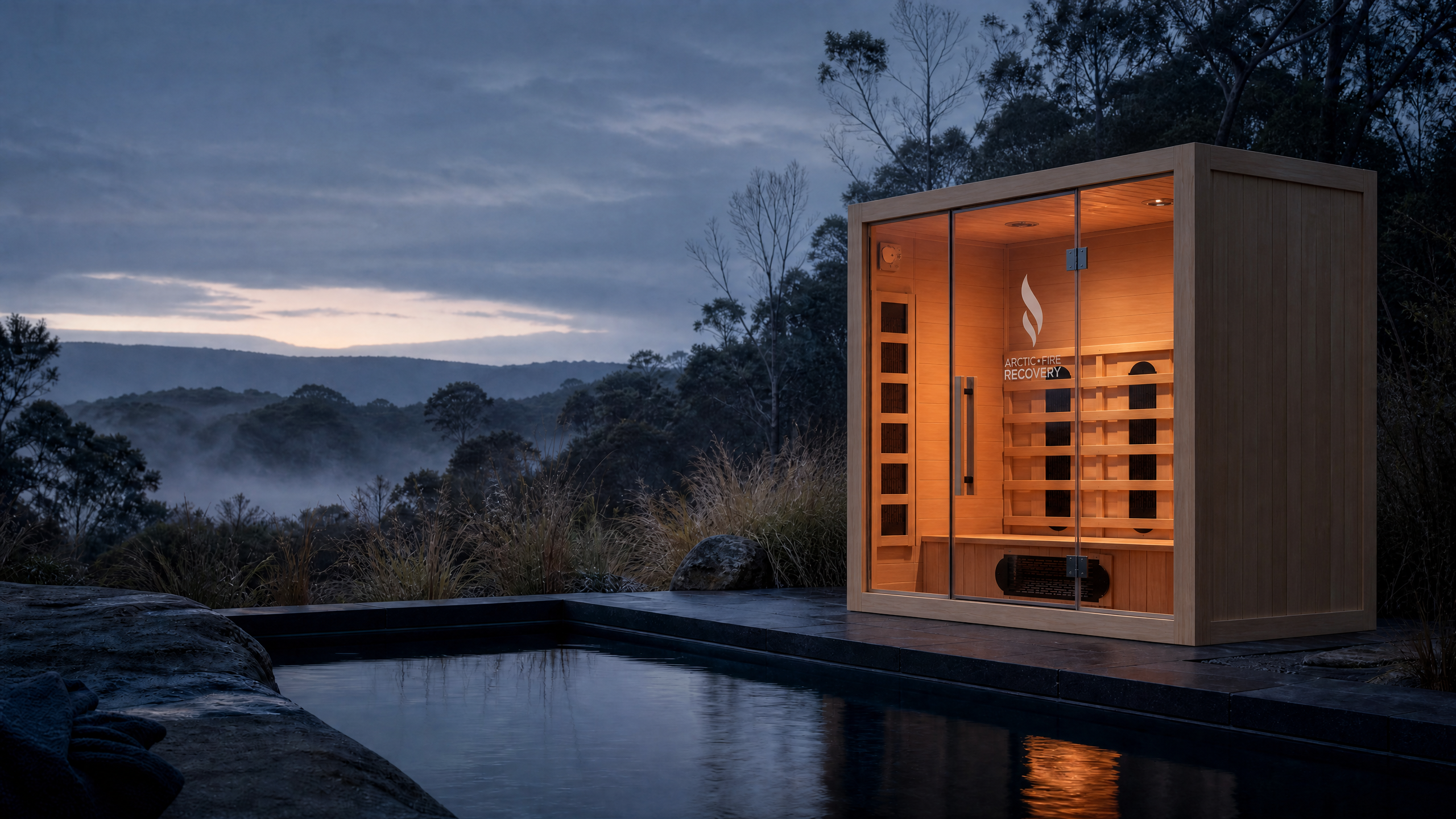
There is no single ideal format. An indoor infrared sauna paired with a nearby plunge can make sense when the home has a dedicated recovery room or a sheltered transition area. An outdoor barrel sauna and plunge can create a more elemental garden ritual when the site has room for a prepared base, weather-aware access and the supporting services each product needs.
The key is not to force two large pieces into a small zone. If the home is compact, start with the component that removes the most friction from your current routine, then plan the other around it once the first location is working well. A phased approach often produces a more durable result than trying to complete everything at once.
Design a flexible routine, not a fixed performance test
Some people prefer to move from warmth to cold, while others use the elements separately at different points in the day. There is no universal sequence, temperature or duration that is right for every person. Start gently, pay attention to how you feel and use the equipment according to its product guidance.
What matters for a home setting is that the routine can be approached without pressure. Leave time to cool down, dry off and return to a comfortable temperature. Drink water as appropriate to your activity and conditions. If you have a medical condition, are pregnant, take medication or have questions about heat or cold exposure, seek advice from a qualified health professional before starting.
Make every transition easy to complete
The best pairings reduce decision-making once you are in the space. Put clean towels, water, footwear and any routine supplies within easy reach. Add a simple seat or rest point where it feels natural. Thoughtful lighting matters too: it should help you move safely without making the room feel like a utility area.
Keep storage restrained and useful. A hook for robes, a small shelf and a discreet place for cleaning supplies may be enough. When the practical items have a home, the room feels ready rather than staged—and that readiness is what encourages regular use.