Start with the setting, not the specification sheet
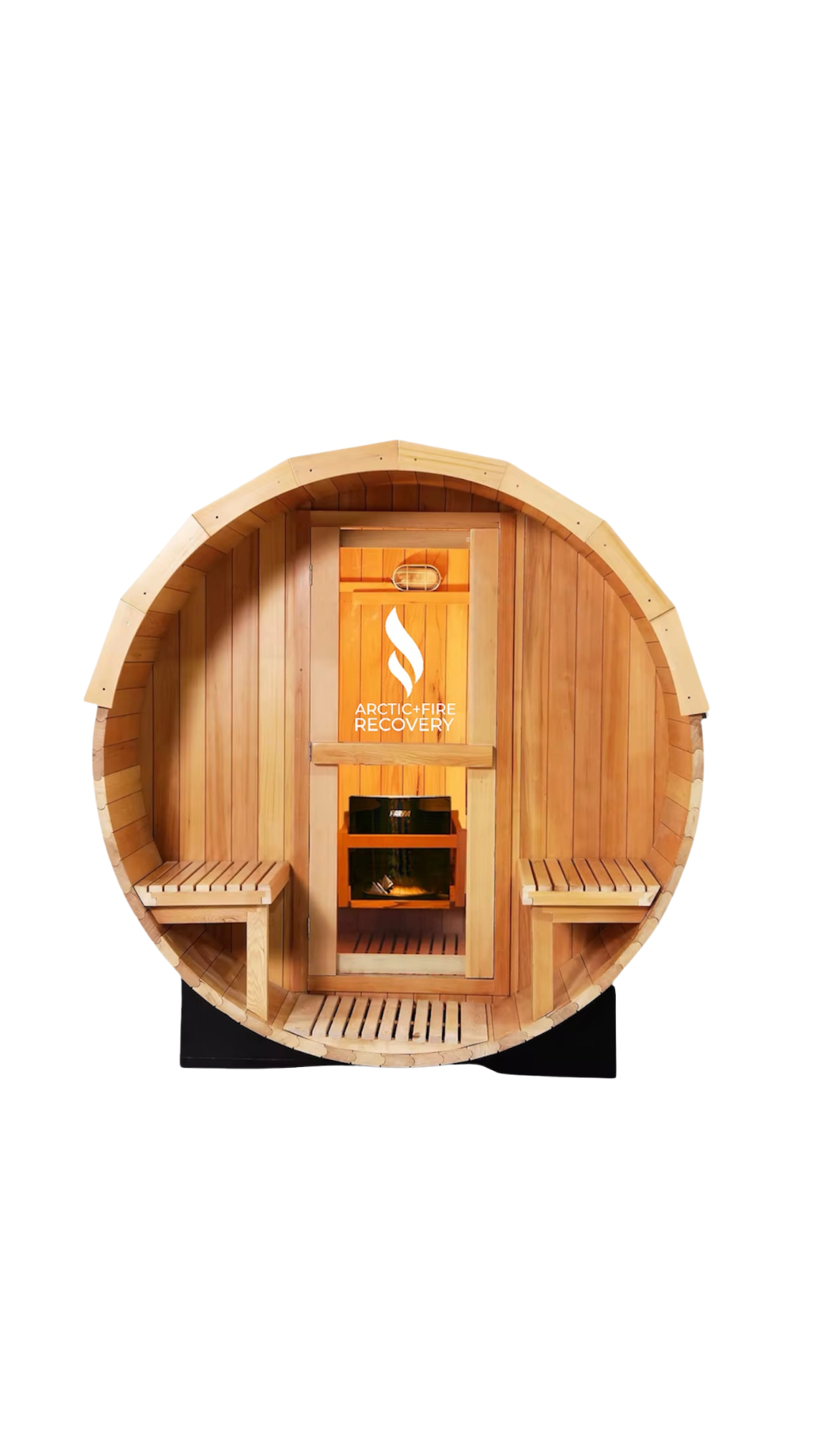
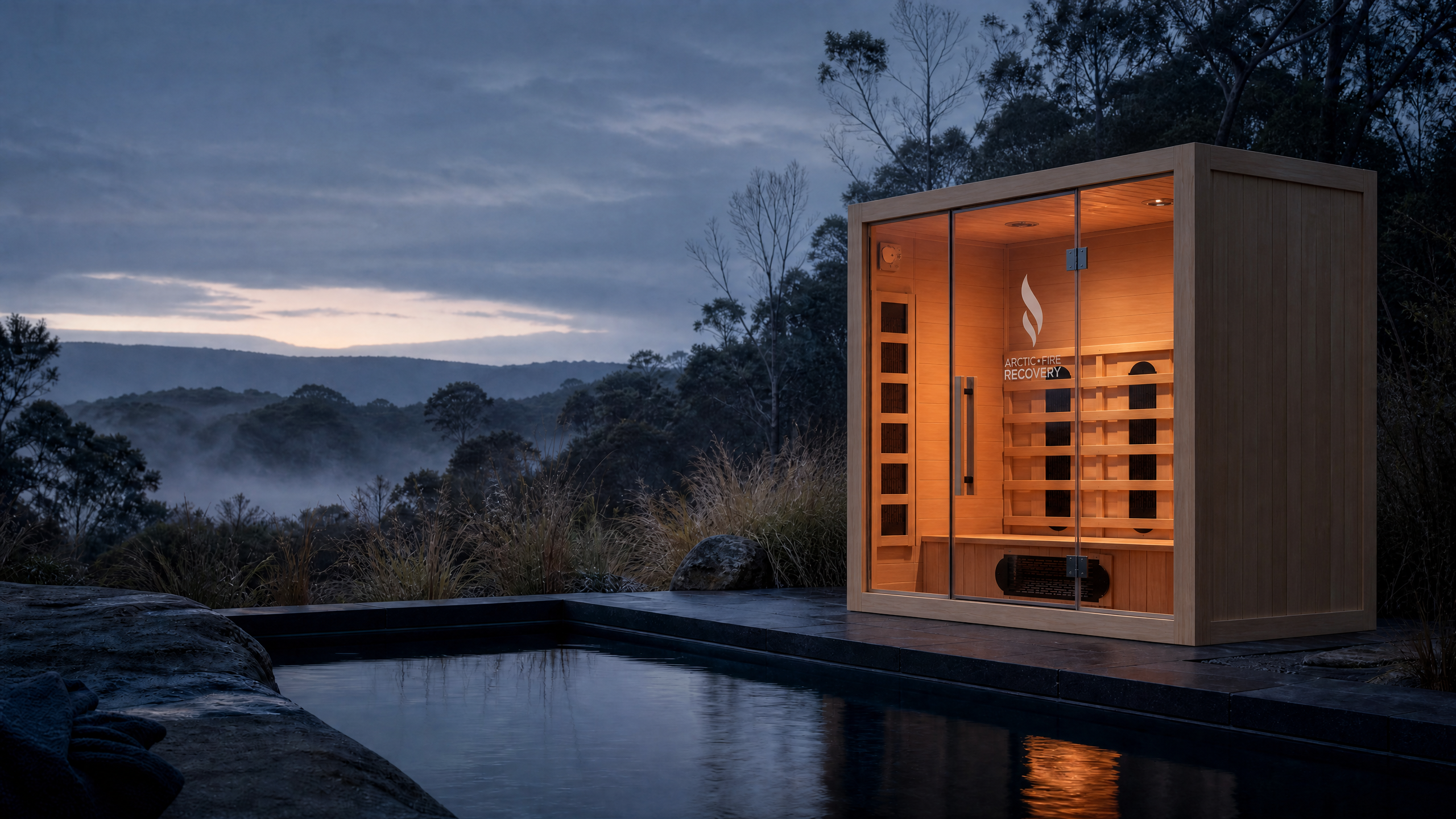
Begin by deciding where recovery will live. An indoor sauna can turn a spare room, larger bathroom or dedicated wellness corner into a place you can return to without preparation. An outdoor sauna can create a more separate ritual, particularly when the space already supports a sheltered pathway and a considered approach to weather.
At this stage, leave room around the unit for opening doors, getting in and out comfortably, cleaning and future servicing. Take measurements at the narrowest access point as well as the intended position. A good site plan accounts for the journey from delivery point to final location, not just the final footprint.
- Measure the intended position, access path and door swings before comparing models.
- Plan a clear approach for delivery, assembly and any future service work.
- Consider ventilation, nearby finishes and how the room will cope with warmth and moisture over time.
Choose capacity for your normal ritual
Capacity is a question of routine rather than occasional maximum use. A two-person sauna can be a considered choice for one person who wants room to settle in, or for two people who will use it simply and regularly. A three-person format may make more sense when the sauna will be shared by a household or when a more generous interior changes how the space feels day to day.
The aim is not to buy empty seats. It is to select a format that feels easy to use often. If the equipment works with your normal schedule, it is more likely to become a lasting part of the home.
Understand the heat style you are bringing home
Infrared and traditional sauna formats create different experiences and ask different questions of the buyer. Infrared saunas use purpose-built infrared panels, while a traditional sauna pairs timber construction with a dedicated sauna heater. The right choice depends on the experience you are seeking, where it will live and the technical requirements confirmed for the exact model.
Use the manufacturer documentation for electrical requirements, clearances and installation conditions. A product conversation should clarify the heater or panel configuration, the intended setting and what qualified trades may be needed for your site. These details matter more than a generic comparison chart.
Look beyond feature lists
Timber, glazing, controls and small comfort details affect the experience of using a sauna every week. Canadian Hemlock, tempered glass, full-spectrum heater arrangements, Bluetooth and chromotherapy lighting each have a place, but they should support the way you want the room to feel rather than distract from it.
Ask which details are fundamental to you, which are useful additions and which are unlikely to influence a normal session. This keeps the decision rooted in your actual habits instead of a feature comparison that does not reflect the room or the people using it.
Questions to settle before you commit
Before placing an order, confirm the final location with the appropriate installer or qualified tradesperson, check the exact model documentation and discuss delivery access. If you are buying for an existing room, photographs, a measured sketch and details of nearby power, ventilation and finishes make the conversation much more productive.
- Where will the sauna sit, and how will it be delivered to that position?
- How many people will use it most weeks?
- What does the exact product documentation require for power, clearance, ventilation and care?
- Who should review or complete the relevant electrical and installation work?